

HER VOICE
«HER VOICE, HER POWER, OUR FUTURE! WOMEN LEADING THE WAY TO SUSTAINABILITY»
(CERV) -2023- CITIZENS-TOWN 101138434
What is «Her Voice»?
A European project led by UNED Dénia, which, together with 8 European cities, has created a Network of Cities, whose main objective is to increase the participation of women in civic life and in the creation of green and sustainable local policies, as well as contribute to the localization of the Urban Agenda, the New European Bauhaus Initiative and the European Green Deal.
Meet «Her Voice»
THE PROJECT’S OBJECTIVES
Promote the implementation of the SDGs in the Network of Cities through collaboration and the exchange of best practices.
Promoting inclusion and gender equality in all areas of society, in line with the values of the European Union.
Promote awareness and knowledge of the rights of citizens of the European Union, with emphasis on gender perspective and social inclusion.
Strengthening the capacities and skills of the Network of Cities to address the most urgent global challenges, such as climate change, poverty and social exclusion, with a focus on gender equality and sustainability.
To promote the creation of sustainable and resilient cities that enhance the quality of life of their citizens and protect the environment, with a focus on gender equality.
Strengthening citizen participation and dialogue between different actors in society, with the aim of building a more inclusive, democratic and sustainable Europe that respects the diversity of all its citizens, with a focus on gender equality.
PARTNERS OF THE «HER VOICE» PROJECT
CONSORCIO UNIVERSITARIO DEL CENTRO ASOCIADO A LA UNED DE DENIA (Spain)
His voice, his power
Towards a more visible role for women in the economy, politics and society
Simone Veil, Marie Curie, and Geneviève de Gaulle-Anthonioz have exerted a profound influence on their societies: in politics, public life, and science. Not only were they pioneers of their time, but they have also been honored as important figures of French history in the Panthéon. However, the female perspective at the Panthéon is perhaps quite rare. In mid-February, participants in the «Their Voice» project gathered and visited the historic Parisian building to discover and learn more about the women who have played a crucial role in French history.
The visit marked the start of a two-day program, organized by the Jean Monnet Association (AJM), aimed at understanding «the role of women in current political and social institutions.» «The goal was to explore the role women play in leadership positions and institutions today, while also highlighting the gender-related obstacles women currently face,» explains Alberto Lorente. Lorente is a member of the AJM’s board of directors, which «is part of the Her Voice network, a project of the European Commission’s CERV (Citizens, Equality, Rights and Values) program.» Within the framework of this network, the fourth event is being organized in France, bringing together representatives from NGOs, municipalities, universities, and businesses.
Several sessions were organized, bringing together women with experience in various fields, such as community organizations, business, and politics in France. These women were invited to the French National Assembly to share their experiences and discuss with the participants the obstacles and opportunities for women in political and leadership positions.
The focus was not solely on France, but also on the other European partner countries. With Danuta Hübner, the OECD’s chief negotiator for Poland, and Sarmiza Bilcescu, Romania’s gender equality advocate, each participating country presented its role model for women. In addition to Vaira Vīķe-Freiberga, who played a key role in Latvia’s integration into the EU, Slovenian climatologist Lucka Kajfež Bogataj, winner of the Nobel Peace Prize for her contribution to raising awareness about climate change, was also cited as a prominent example.
“Self-confidence is the key to success,” says Constance le Grip. Constance le Grip is a member of the French Parliament and, prior to that, a member of the European Parliament and of the Committee on Women’s Rights and Gender Equality. For her, it is important that women gain greater presence, visibility, and assertiveness through increased empowerment. In support of this goal, she hosted today’s meeting at the French Parliament, which brought together the various partners of the European project, as well as representatives from other civil society organizations and businesses. She urged women to have the courage to participate in the debates, ask questions, and engage in constructive dialogue. Lina Gálvez, who also participated in the project, called for women to play a leading role. She is currently a Member of the European Parliament and Chair of the Committee on Women’s Rights and Gender Equality.
The association «Expressions de France» also focuses on practical approaches to help women reach their full potential in society. The organization is dedicated to empowering women and helping them overcome social barriers. Through a wide range of educational programs—especially in schools—workshops are designed to help women overcome social and mental barriers and increase their self-confidence. «What we can do is help women pursue the life they want to live,» says Yasmine Saada, a team member.
Marie-Laure Charles, a member of the Board of Directors of the Jean Monnet Association and a city councilor in Neuilly-sur-Seine, then shared her views on how women can achieve a fulfilling role in professional life. She discussed women’s historical role in politics and shared insights into the political system at the national, regional, and local levels, including the parity law introduced in 1999. Surprisingly, despite these provisions to ensure equal numbers of female and male candidates, only 208 of the 577 members of the National Assembly are women, representing a mere 36.2%. This example demonstrates that, despite the efforts made, there is still a long way to go to achieve gender equality. Practical efforts to advance women’s position in France apply not only to the political sphere but also to the free market.
The insurance company Covéa has set itself the goal of «accompanying everyone in a sustainable world,» with a particular emphasis on social impact. One of the main priorities of the Covéa Group’s strategic plan is promoting professional and gender equality, as highlighted by Noelie Ewele and Koko Lawson-Adote. They are part of the «Cov&elles» initiative, a network of women whose objective is to provide resources to create opportunities for women’s career advancement and to foster partnerships and networks among them. Thanks to the strong support of committed women in management positions, the network has been able to reach many employees from diverse backgrounds, initiate discussions, and implement new policies on diversity, equity, and inclusion.
The lessons learned from these examples of female participation are valuable and relevant for the participants in the Her Voice project. «I gained a better understanding of the different ways to commit to and initiate change, the challenges these women face, and the goals they strive to achieve. I was very inspired by their strength and confidence, the way they empowered themselves and committed to helping other women achieve their goals,» explains Chiara Criscenti, a member of the Italian «Associazione Usamborgia,» a partner in the «Her Voice» project.
However, developments in the French sector are not the only important factor, as the main objective of this project is also to raise awareness at a European level. Representatives from various institutions across all participating countries presented outstanding projects, all aimed at improving the position of women in society and in leadership roles. In Sopot, Poland, for example, the «Sopot Women’s Meetings» are organized. This initiative, led by Mayor Magdalena Czarzyńska-Jachim, is aimed at the women of Sopot and is designed as a platform for discussion on a wide range of social issues. These range from health and motherhood to women’s rights, education, literary history, and much more. «The goal of these meetings and discussions is to raise awareness of the power of women’s voices in everyday life,» explains Hanna Wyszyńska, who is in charge of this municipal project.
Visibility is also the central theme of the Slovenian non-profit organization «Ona Ve» (She Knows), which aims to increase the representation of women in the media and at public events by correcting the imbalance: only 24% of appearances in Slovenian media are by women. The goal is to bring together women experts in various fields and promote their visibility so that media organizers can more easily find and feature them. This initiative was mentioned by Nina Palčič, who teaches robotics to children and is part of the Kočevje business incubator, also a partner in the Her Voice project. Her aim is to encourage more girls to become interested in her field: «I think it’s important that we talk about the need to increase the number of women working in STEM fields.»
For Rosa Salas and Miguel Martín Ramos of the Yuste Foundation, the project’s Spanish partner, increased women’s participation was also a key theme. They highlighted women’s involvement in rural areas through the «La Vera Regional Women’s Council.» This collaborative effort, in partnership with the regional development association and the regional women’s council, has created a strong platform for women to contribute to the social and economic development of their region. The council represents 19 municipalities in northern Extremadura, supporting democratic participation, amplifying women’s voices in public institutions, improving communication between politicians and citizens, and raising awareness of the challenges women face.
These are just three examples of women’s organizations out of a total of eight submitted by partners from different countries. Another notable feature of the project is the participation of Ukrainian women. Although not part of the EU, the various partners have pooled their resources to fund the participation of Ukrainian women in their budgets, given that women’s issues also play a significant role in Ukraine: «I have been both a victim and a witness to the unfair treatment of women since my student days, and the situation has worsened even further with COVID-19 and the war. This initiative is important for sharing our problems, potential solutions, and best practices. (…) For Ukrainian women in particular, it is extremely important today to feel included, heard, and supported, as well as to be able to provide up-to-date information about our situation in the war and share our ideas,» says Natalia Horbal, a member of the department at Lviv Polytechnic University.
The exchange of shared experiences and ideas drawn from the realities of their respective communities and countries is a crucial element of the project. During a workshop, participants discussed the obstacles women face today and potential solutions, bringing together different perspectives and arguments. One of the obstacles discussed was the dilemma women face when choosing between a career and motherhood. «We proposed the following solutions,» explains Nina Palčič from Slovenia: (1) Awareness of self-esteem should be increased through education. (2) Governments should provide financial support by giving money to companies. The biggest problem is that companies are reluctant to hire women because of maternity leave. If the government paid for maternity leave, companies wouldn’t have to choose between men and women, thus reducing the gender gap.
During these debates, it became clear that significant structural and political change is especially important. Evolution at the European level is particularly crucial in this regard. Therefore, the project also explored the origins and evolution of the European Union, tracing the legacy of Jean Monnet. Often considered one of the founding fathers of the EU, his contributions helped lay the foundations for the European Coal and Steel Community (ECSC), which eventually became the European Union we know today. These institutions, together with their respective Member States, play an essential role in defending the rights of European citizens, including those of women. After all, influential women have also played a significant role in the history of European unity.
Martí Grau, Head of Department and Curator at the Maison Jean Monnet, reviewed the lives of influential women in EU history. He highlighted the achievements of Louise Weiss, a fervent advocate for European and women’s rights, who fought tirelessly for women’s suffrage. Constanze Itzel, Director of the House of European History, also emphasized the importance of recognizing women’s role in shaping Europe through their participation in key historical events, their contributions to ideological development, and their efforts in support of national and European progress. Among these important women is Simone Veil, the first female President of the European Parliament, who successfully campaigned for the legalization of abortion in France. The efforts of these women have contributed to advancing gender equality in the EU, fostering a greater commitment to reducing inequalities.
A crucial step in this direction was the formal recognition of gender mainstreaming in the 1992 Maastricht Treaty. This approach places women and men at the heart of political decision-making by including both sexes in policymaking and ensuring their equal participation. This leads to better governance, makes gender more visible, and takes into account the diverse experiences of women and men.
The importance of the exchange on these issues was underscored by Miguel Martín Ramos, Vice-President of the Jean Monnet Association and organizer of the project in France, who described the evolution and current state of women’s rights in the EU. «Equality between men and women remains a priority,» he noted, referring to the first female President of the European Commission, Ursula von der Leyen, and the appointment of a Commissioner dedicated to gender equality, Helena Dalli. He also mentioned the EU strategy for gender equality, «whose objective is to create a Europe of equality between men and women in which gender-based violence, sexual discrimination, and structural inequality between women and men are a thing of the past.» However, the road to equality remains long and slow. No EU Member State has achieved equality, and inequalities persist: women continue to be underrepresented in management positions, even in the largest EU companies, where only 8% of CEOs are women. Women also continue to earn, on average, 16% less than their male counterparts and face barriers to entering and remaining in the labor market.
As a result, one of the program’s main strengths is not only offering women the opportunity to exchange ideas, understand the broader EU context and the role of women within the EU, but also looking to the future and developing strategies for the future. «During this meeting, we focused on the implementation of the 2030 Agenda, particularly the goals related to peace, just societies, strategic partnerships with a gender perspective, (…) as well as contributing solutions to persistent societal problems related to equality,» explains Racquel Martí Signes, head of the Spanish delegation for the project. Elisa Carnevali, from Italy, adds: «The collaboration and cooperation resulting from the meetings is also a key aspect. The project is truly creating a network among women who are committed or willing to commit to their role in the European Union and in Europe in general.»
Despite the challenges and ongoing work, projects like «Her Voice – Her Power» represent an important step in the right direction. «This project highlights the ongoing need for social campaigns, training, and, above all, educational initiatives to raise awareness about women’s rights,» says Hanna Wyszyńska from Poland. However, she continues, «we see that our partners face similar challenges in their own communities. This exchange of ideas allows us to collaborate, share solutions, and identify initiatives that can be implemented in our own neighborhoods or cities. It is extremely valuable and gives us hope that we, too, can make a real difference in our local communities.»
About the Her Voice project:
The Her Voice project consortium is led by UNED Denia (Spain) and includes partners from the University of Arts of Târgu Mureș (Romania); Gmina Miasta Sopotu (Poland); the National Polytechnic University of Lviv (Ukraine); the Usamborgia Cultural Association (Italy); Saldus Novada Pasvaldinba (Latvia); Podjetniski Inkubator Kocevje, Javni Zavod Za Podjetnistvoizobrazev Anje In Druge Dejavnosti (Slovenia); the Jean Monnet Association (France); and the European and Ibero-American Academy of Yuste Foundation (Spain). The project consists of eight international events organized in the partner countries. It aims to directly involve more than 400 participants and indirectly reach more than 25,000 people, whose actions will address relevant issues concerning the promotion of the full enjoyment of women’s rights, gender equality (including work-life balance), women’s empowerment, gender mainstreaming, and its impact on sustainable development. The underlying objectives are to promote the Sustainable Development Goals (SDGs) through collaboration and the exchange of best practices, while fostering gender equality and social inclusion in line with EU values and the 2030 Agenda. The project seeks to raise awareness and understanding among EU citizens, focusing on social inclusion and the gender dimension, in order to strengthen citizen participation in general and dialogue among different actors in society, with a view to building a more inclusive and democratic Europe.
Events
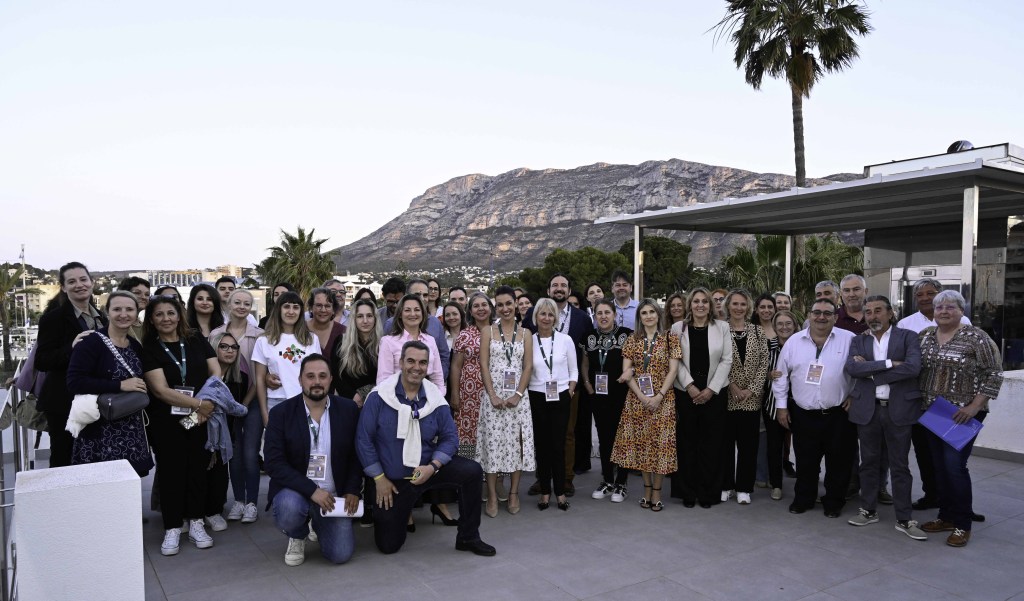
Dénia (Spain)
From May 13th to 15th, 2024
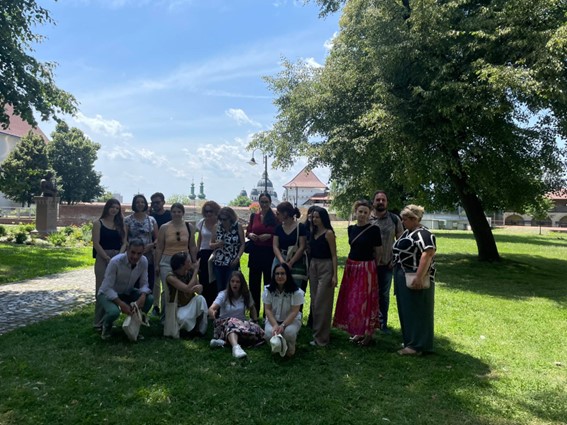
Ziua (Romania)
From June 18th to 21th, 2024
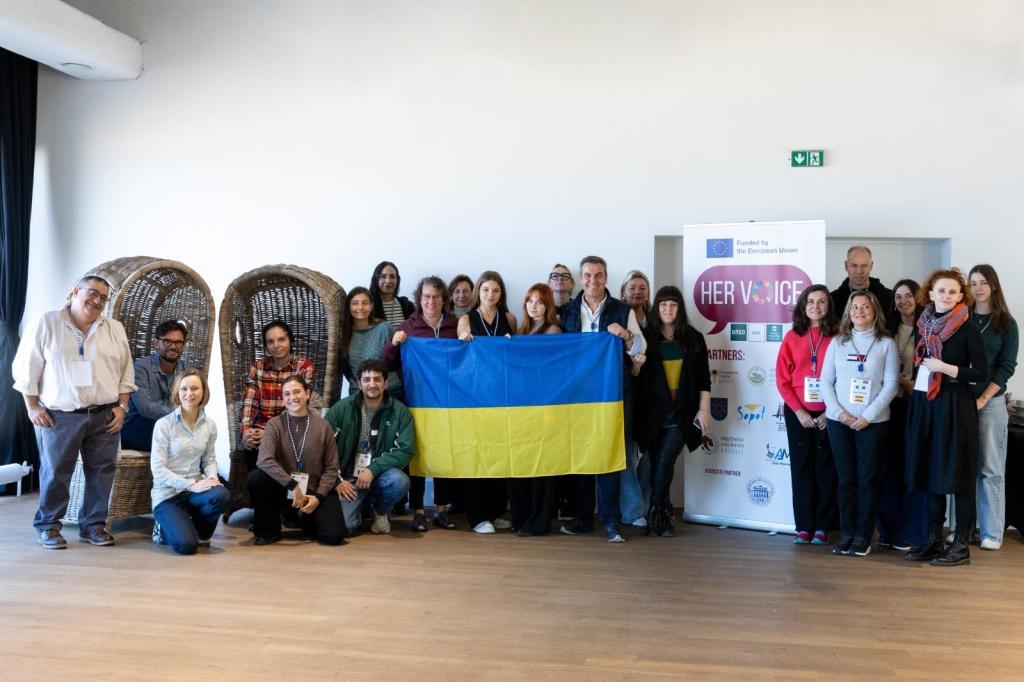
Sopot (Poland)
From October 23th to 25th, 2024
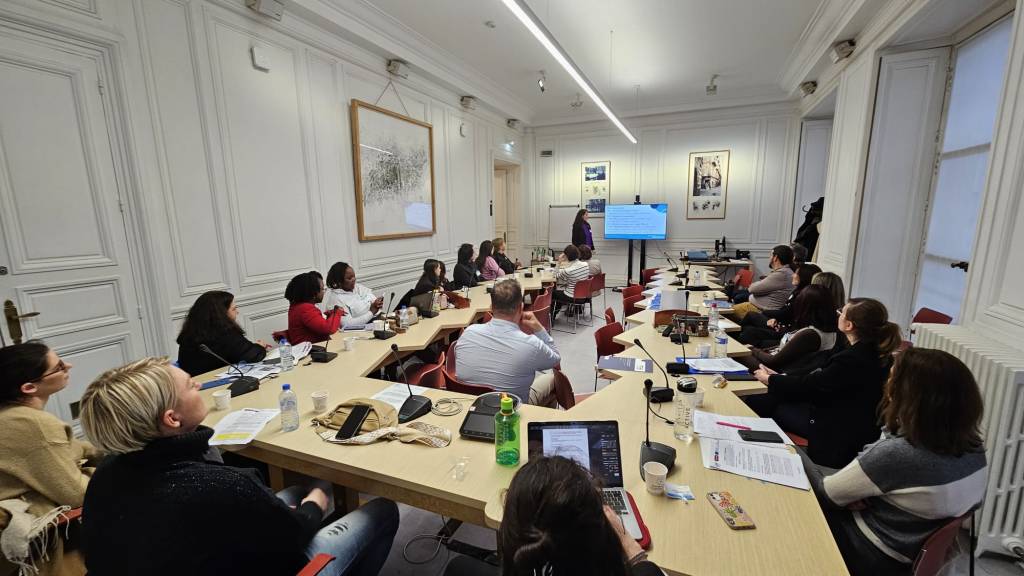
Paris (France)
From Febrary 13th to 14th, 2025
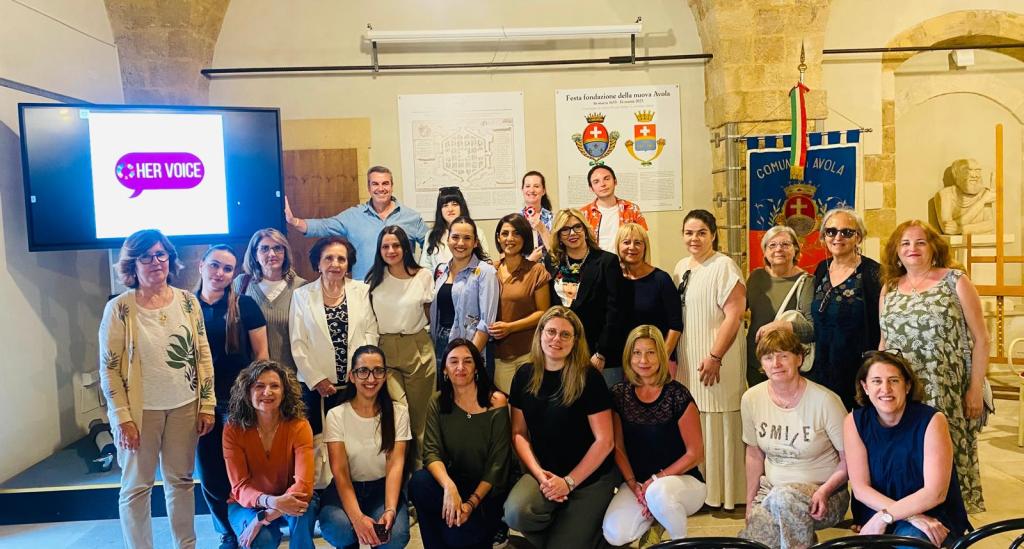
Sicily (Italy)
From May 26th to 28th, 2025
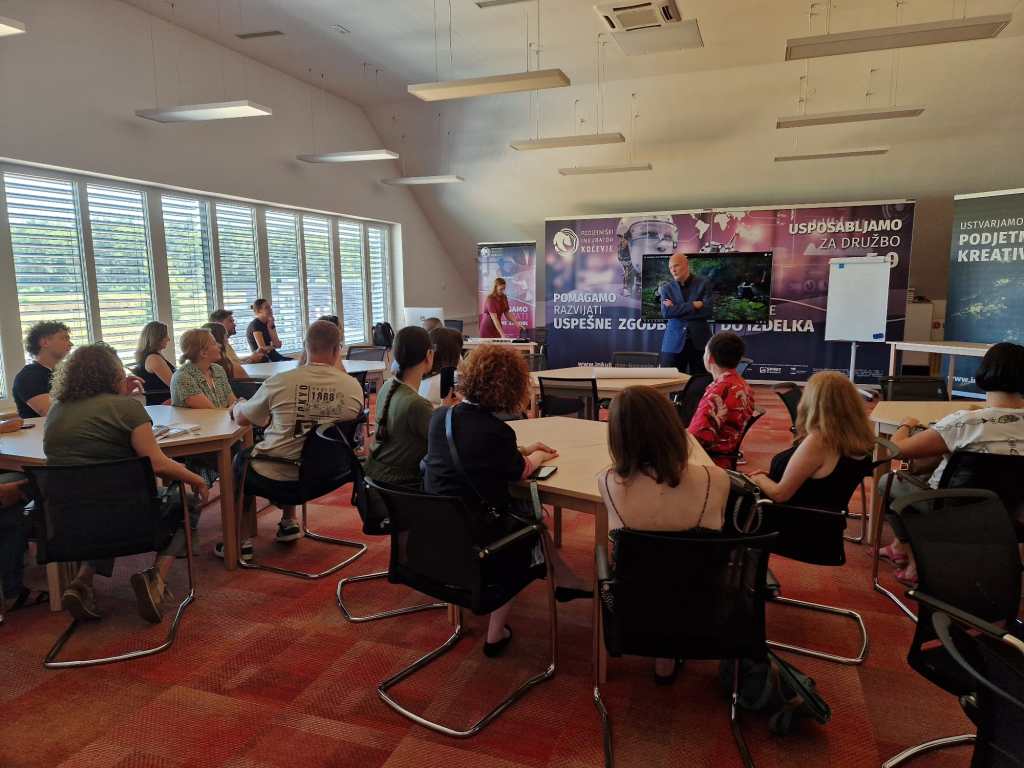
Kocejve (Slovenia)
From July 1st to 4th, 2025
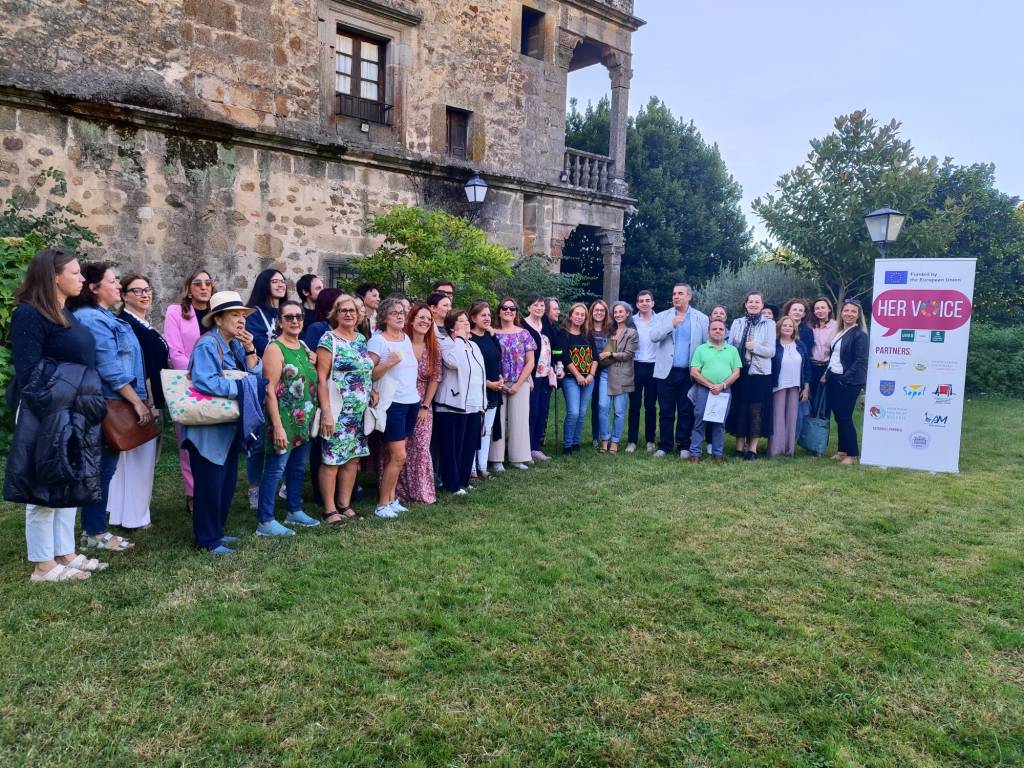
Vera Region Yuste Foundation (Spain)
From October 1st to 4th, 2025
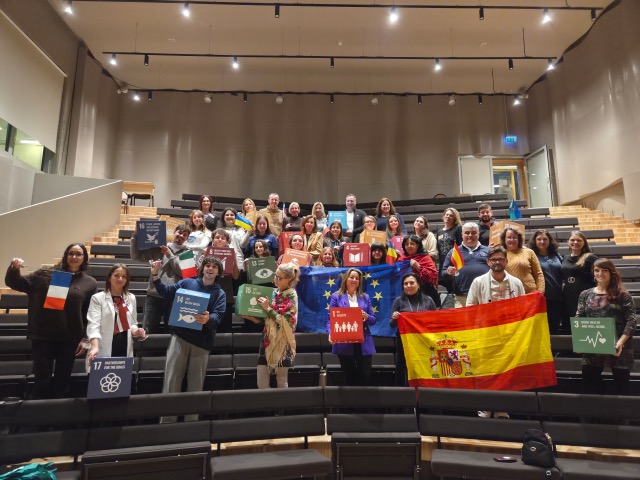
Saldus (Latvia)
From November 26th to 29th, 2025
THE ROLE OF WOMEN IN EUROPE
This report compiles the collaborative work carried out by the partner countries of the Her Voice, Her Power, Our Future! project to highlight the role of women who, from different European territories, are driving sustainability, equality, and social cohesion. Through real-life profiles, transformative initiatives, and comparative analyses, the document offers a diverse perspective on how women contribute to advancing the 2030 Agenda from local contexts. Its purpose is to recognize this leadership, identify persistent barriers, and strengthen the building of fairer, more inclusive, and sustainable societies.
GUIDE GENDER PERSPECTIVE HER VOICE
This guide synthesizes the key elements for integrating a gender perspective into sustainable development policies and practices, drawing on the lessons learned from the Her Voice, Her Power, Our Future! project. Through a clear and practical approach, the document brings together recommendations for strategic areas such as urban planning, education, digitalization, and rural development. The guide offers concrete tools—disaggregated data, citizen participation, safe design, digital literacy, women’s leadership, and support for rural initiatives—that enable progress toward more equitable, inclusive, and sustainable communities. Its purpose is to provide useful resources for institutions, professionals, and local communities to incorporate gender equality as a central pillar of the sustainable transition.
 HER VOICE